ESCATOYS™ · Models · Drones · Rides · Powerchairs
Engineered for pilots, riders, and whoever ends up fixing it.
Radio-controlled models, civil drones, personal electric machines and powerchairs. Everything here draws serious current, and everything here is built to be opened up again when it needs to be.
See the range Ask us something
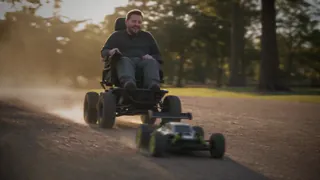 Watch the film
The range
Four things that draw serious current, and one that teaches you to fix them.
A toy, an aircraft and a road vehicle answer to three different sets of rules. They are on separate pages because pretending otherwise would be convenient for us and wrong for you.
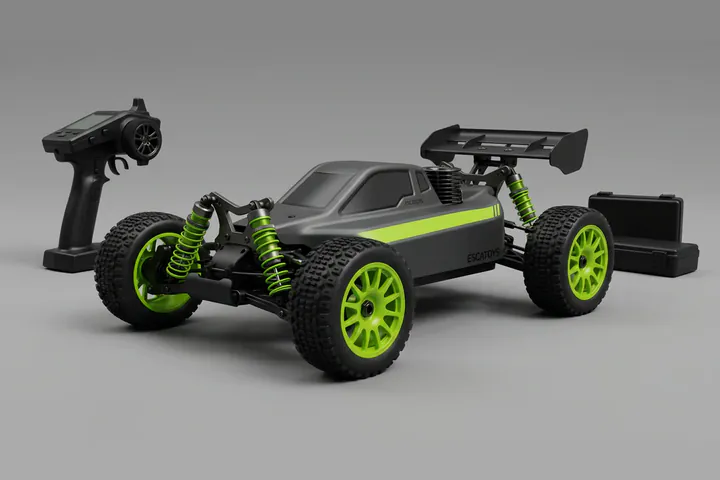 Four models
Radio-controlled models
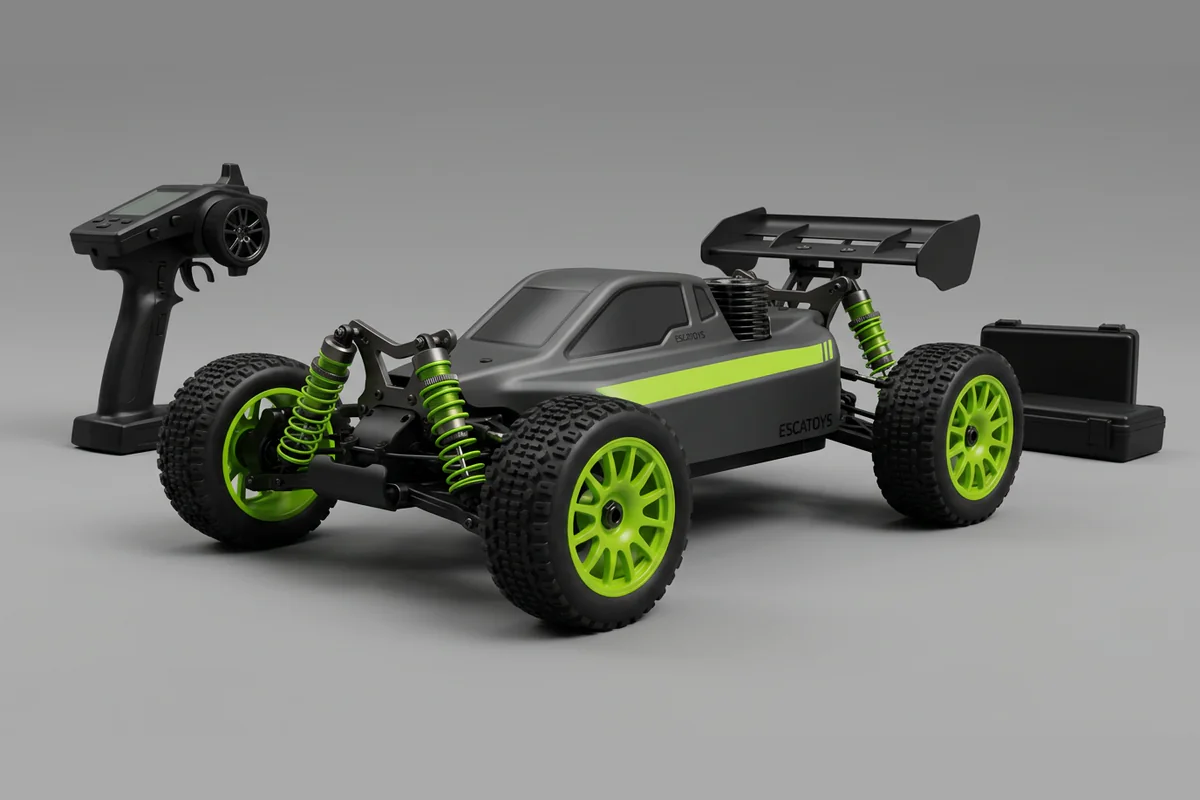
Two cars, a plane and a boat — the line the brand started with.
CR1Off-road buggy
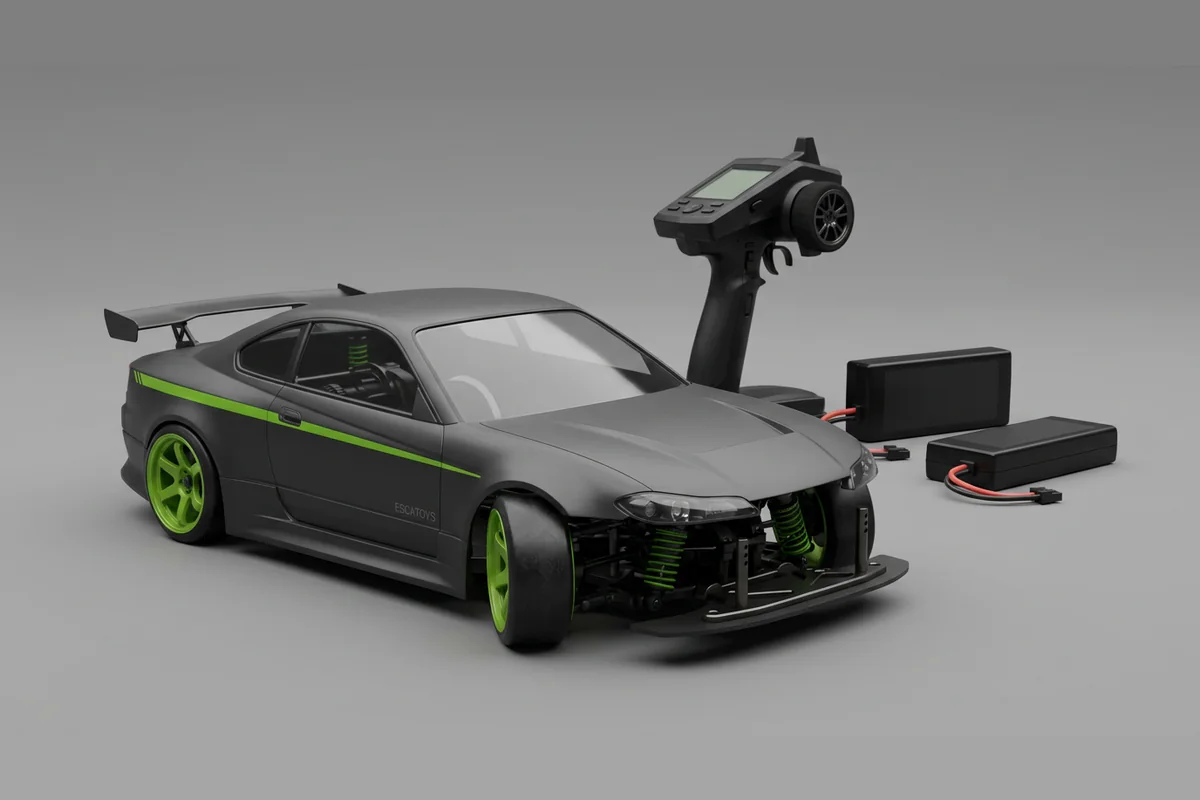
DF1Drift car
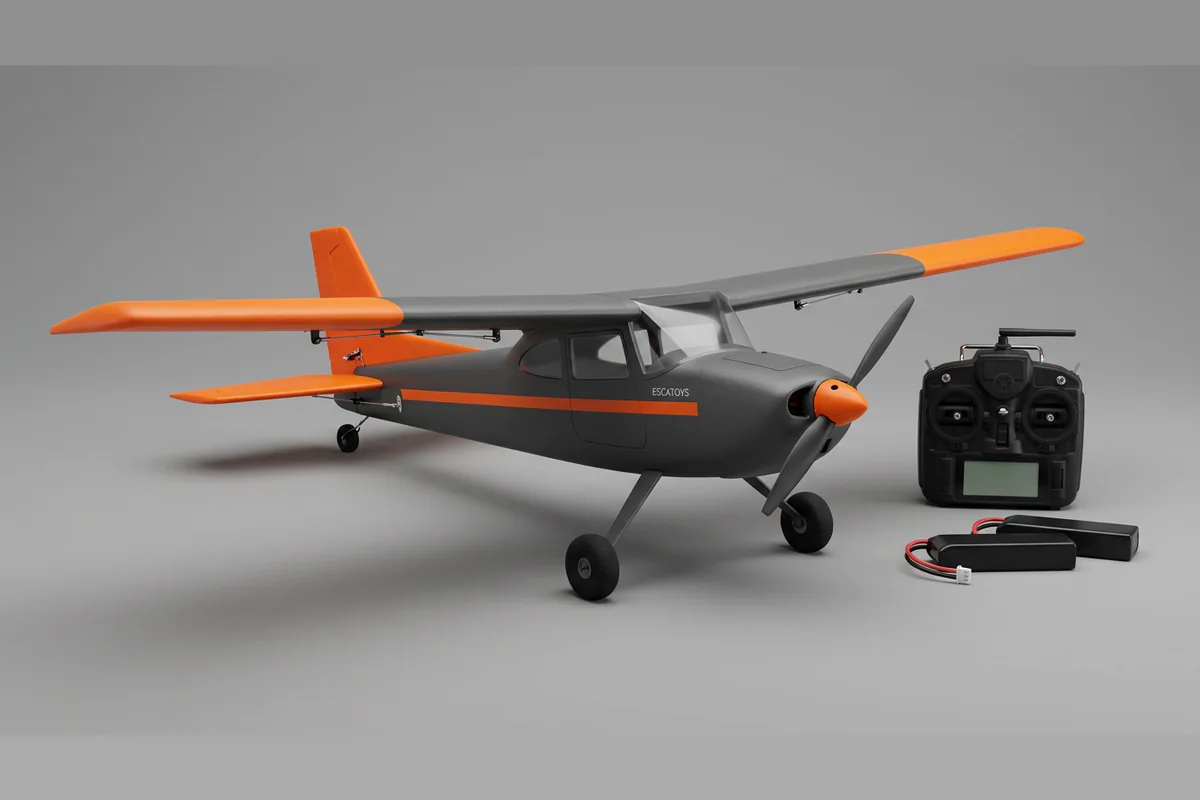
PL1Radio-controlled plane
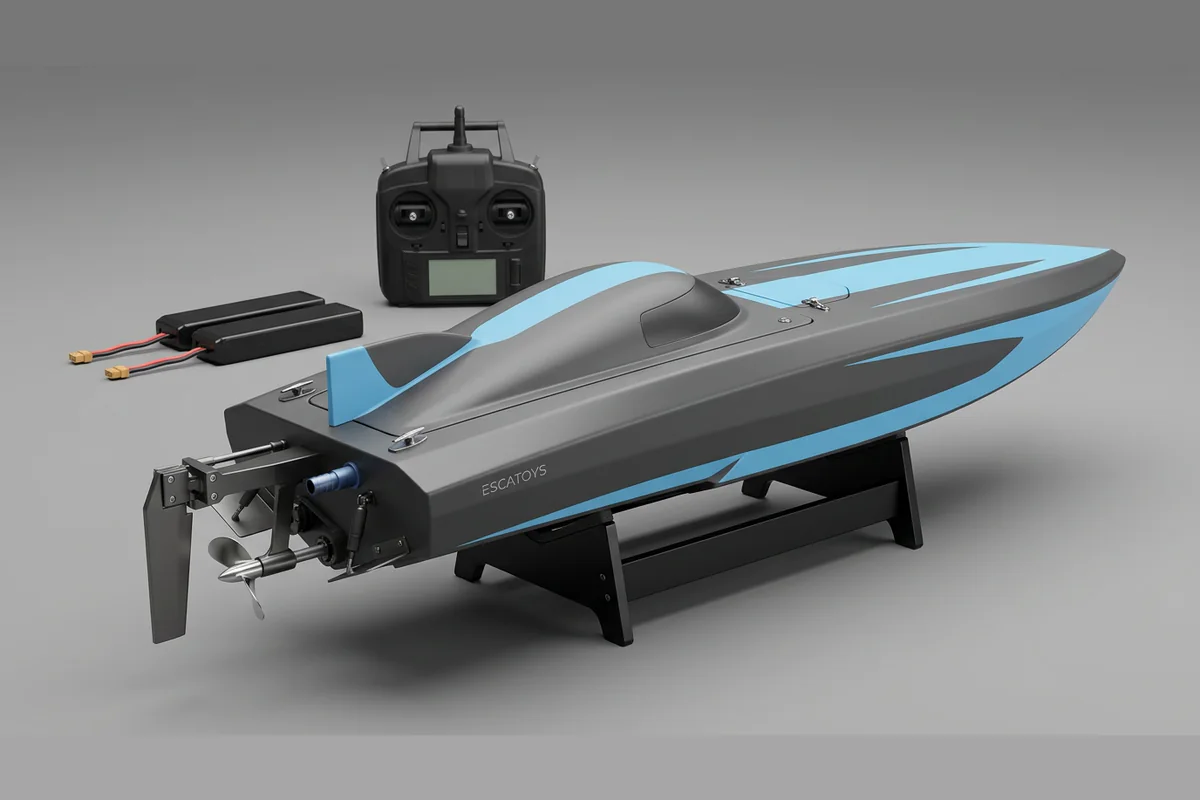
BT1Radio-controlled boat
See the range
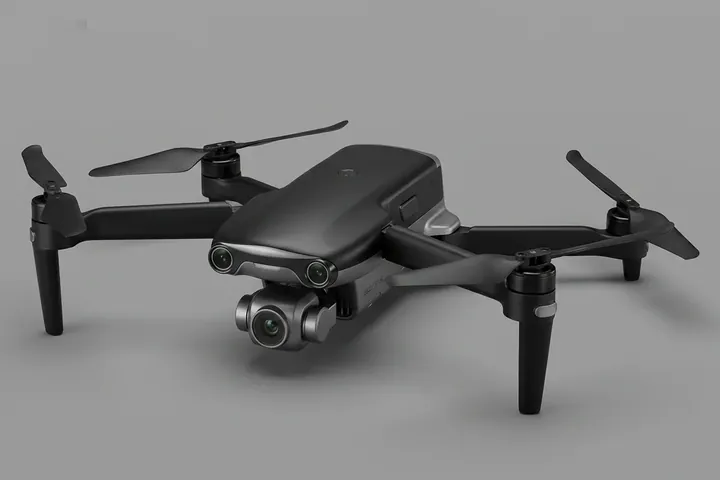 Built to move
Civil drones
Four airframes, from the one you learn on to the one that hurts to crash.
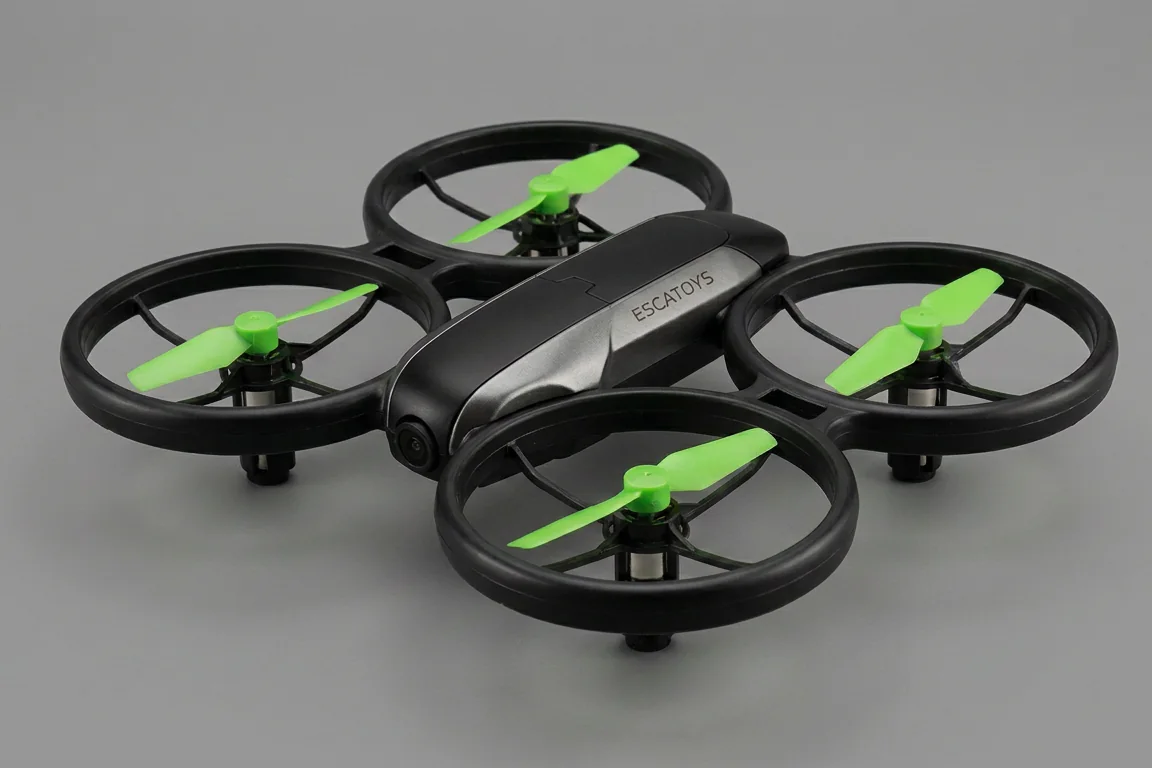
MC1Lightweight airframe
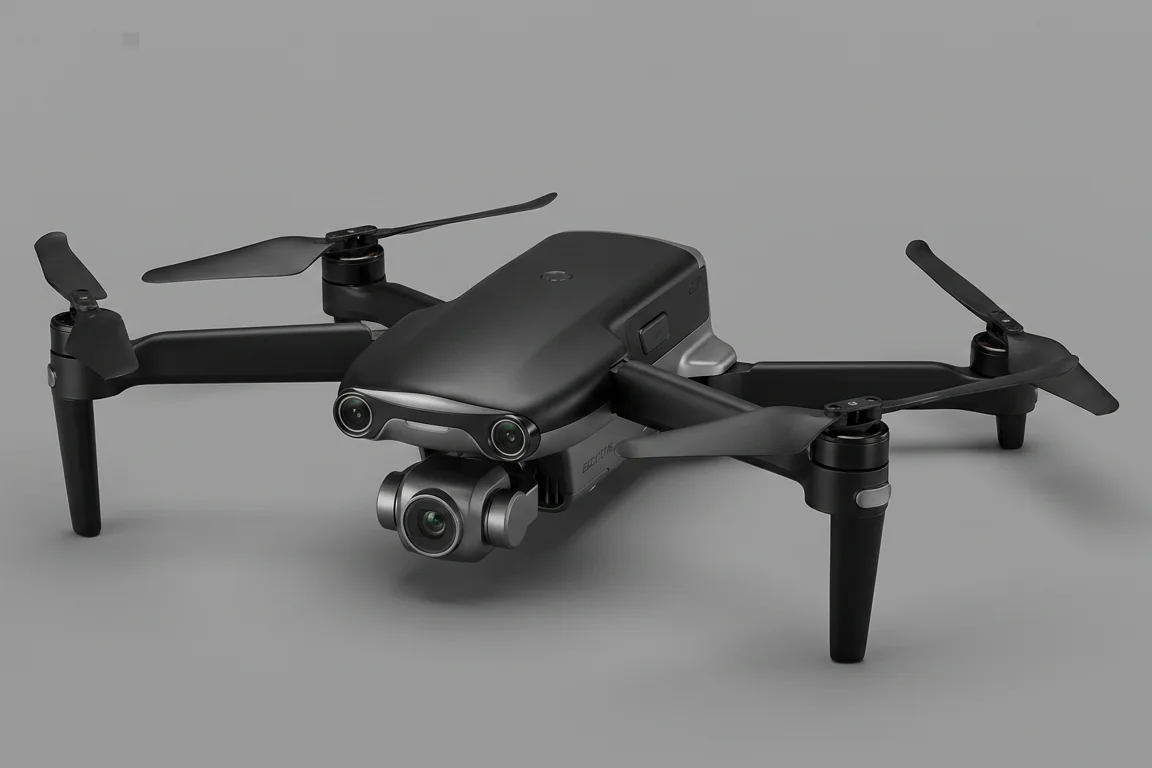
CM1Camera drone
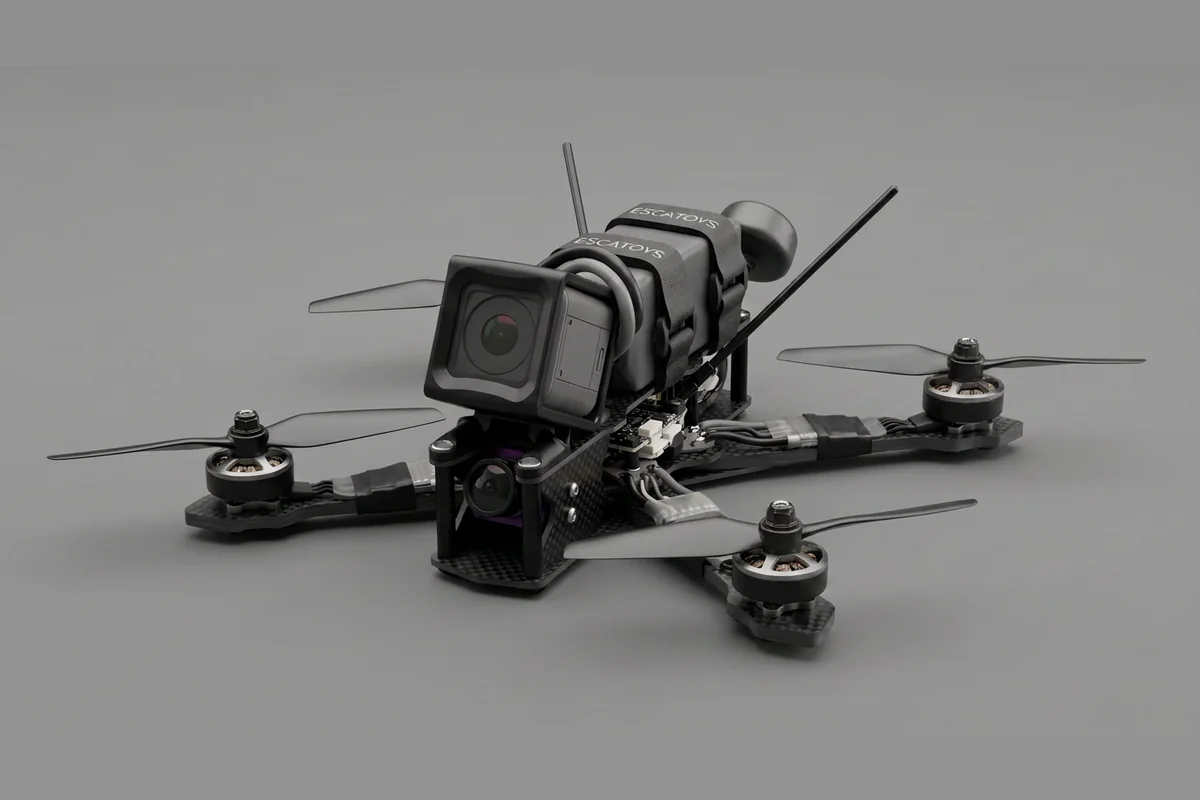
FP1Racing airframe
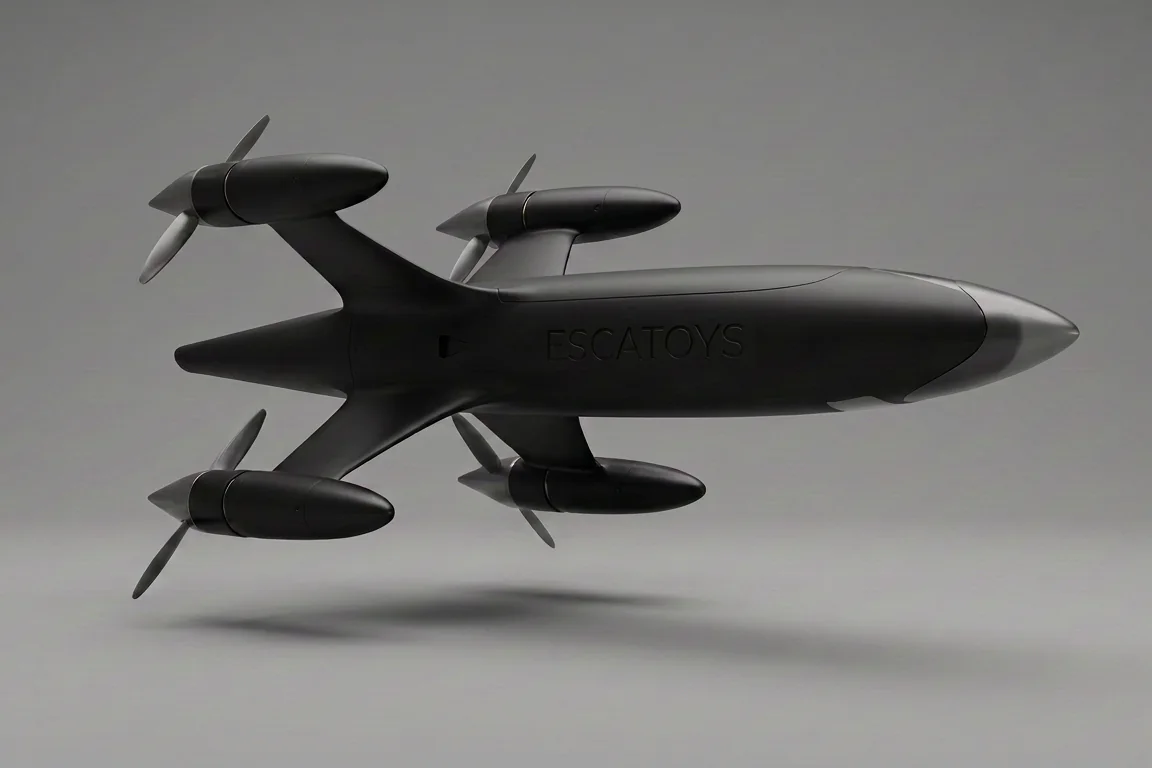
LR1Long-range airframe
See the range
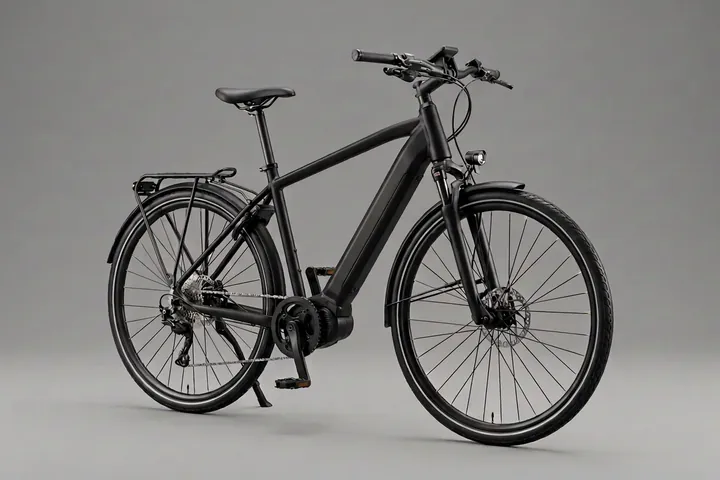 The last three kilometres
Personal electric machines
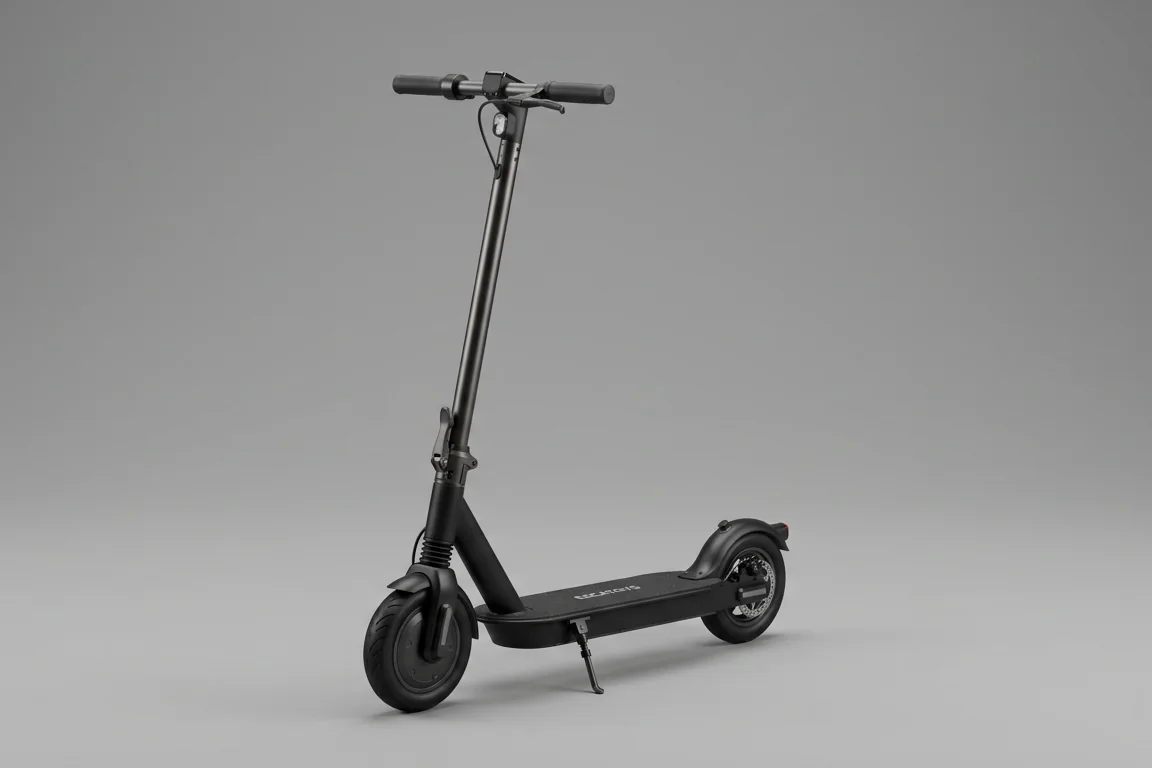
Kick scooter, bicycle, unicycle, board, seated scooter — one battery problem, several different laws.
KS1Kick scooter
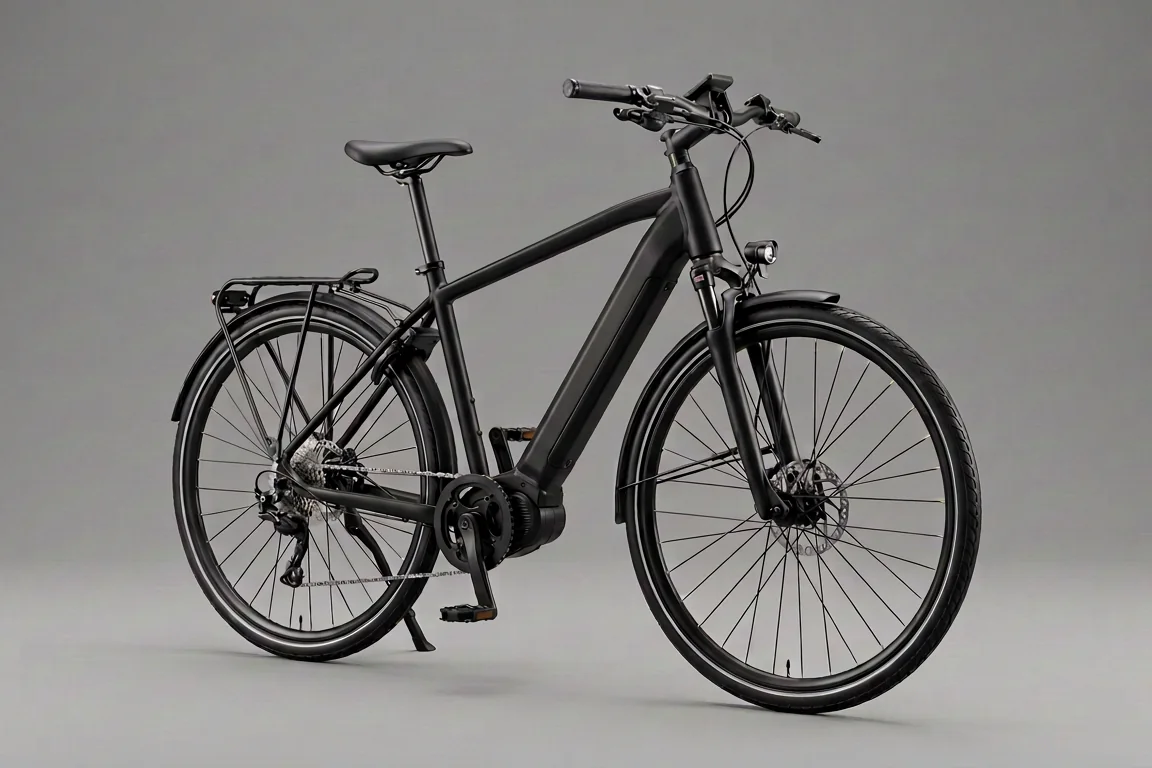
EB1Bicycle
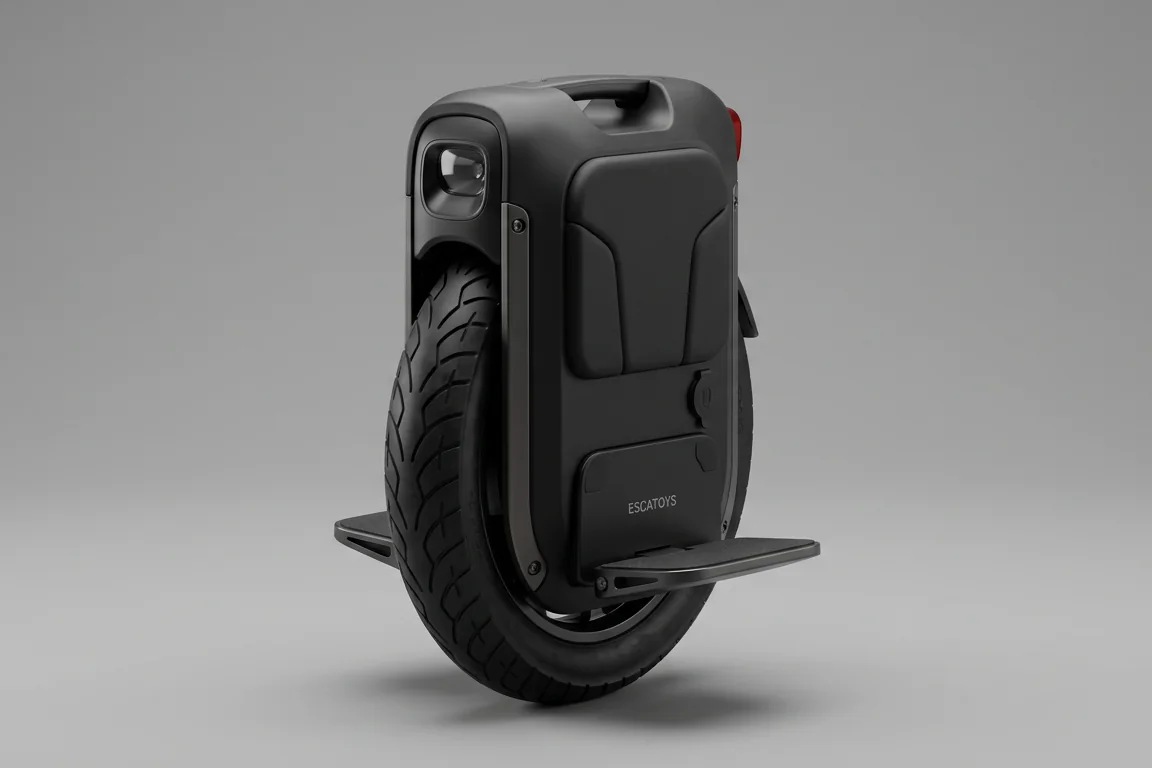
UC1Unicycle
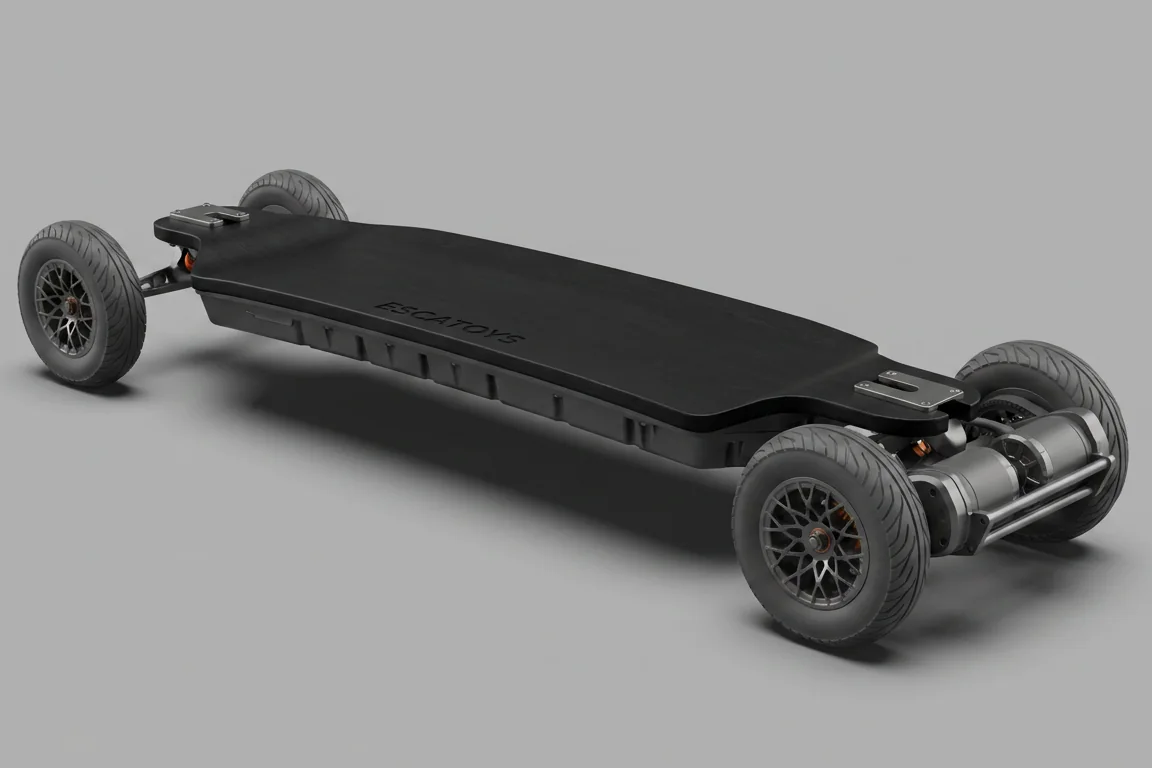
BD1Board
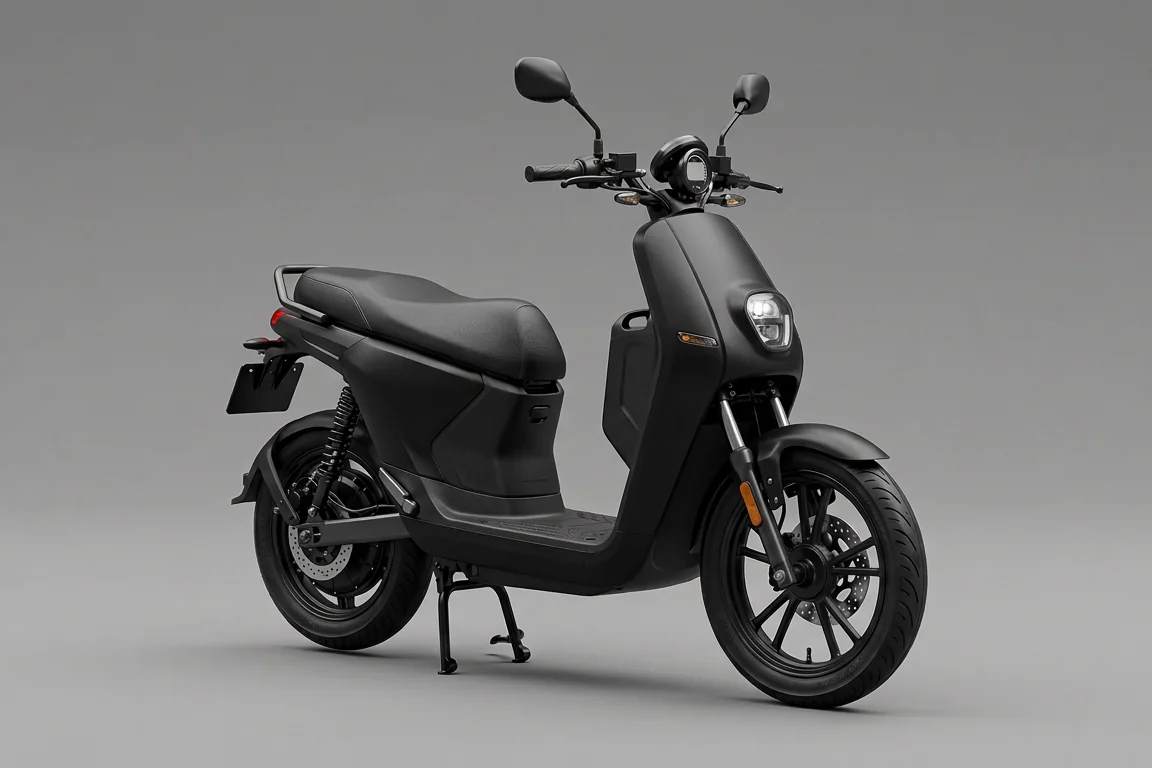
SC1Seated scooter
See the range
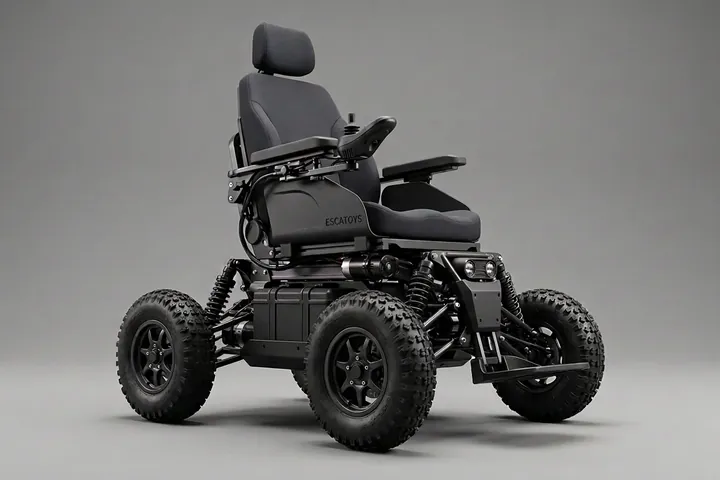 Everyday equipment
Powerchairs
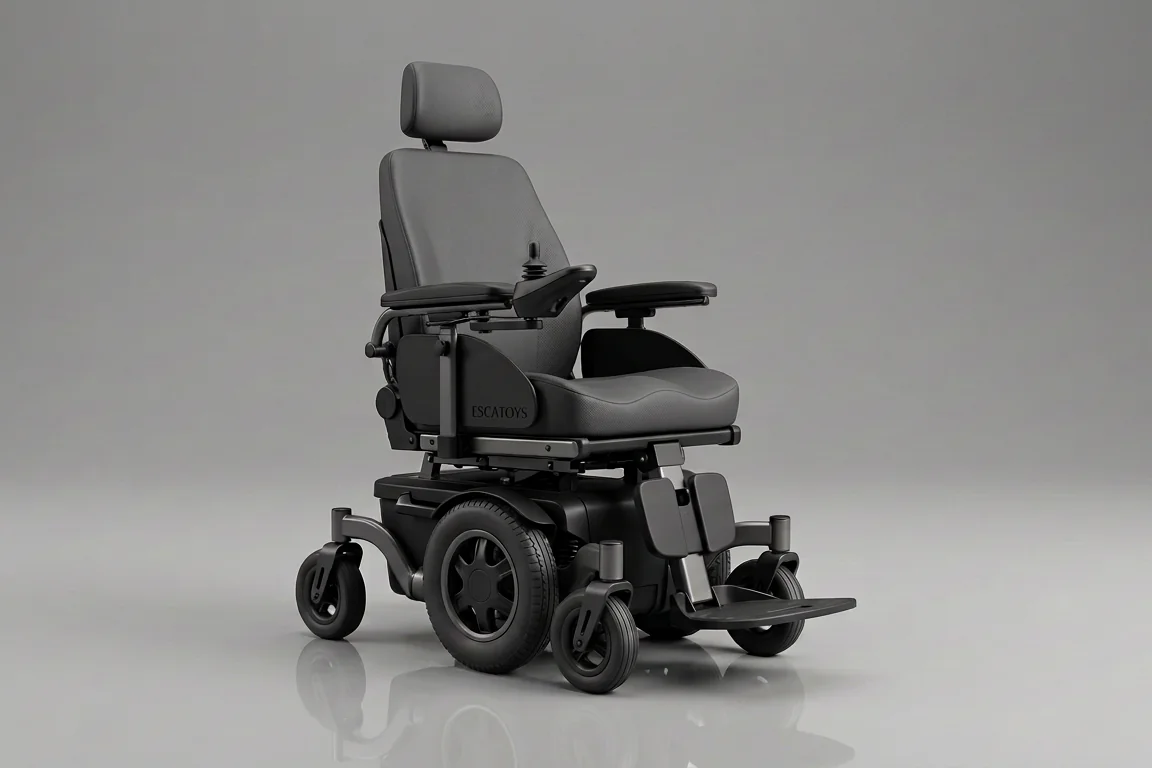
Powered wheelchairs, indoors and out. Held to medical-device rules, and written about accordingly.
PW1Everyday powerchair
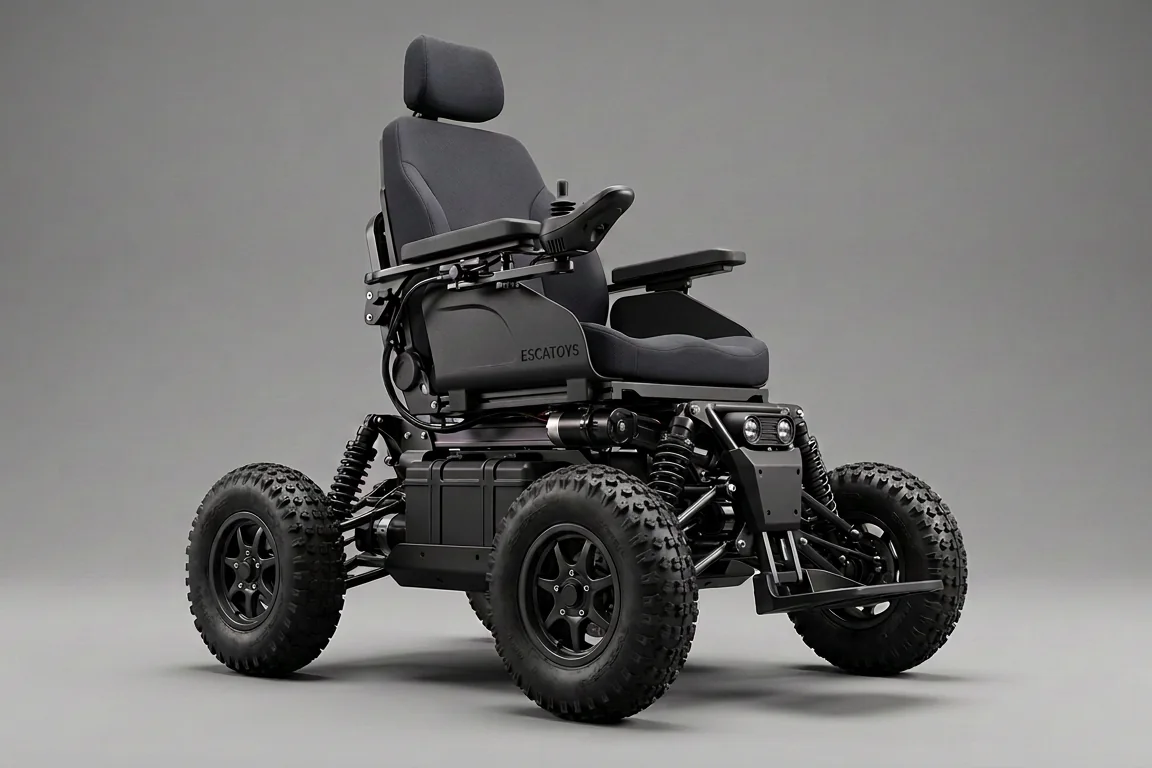
PW2All-terrain powerchair
See the range
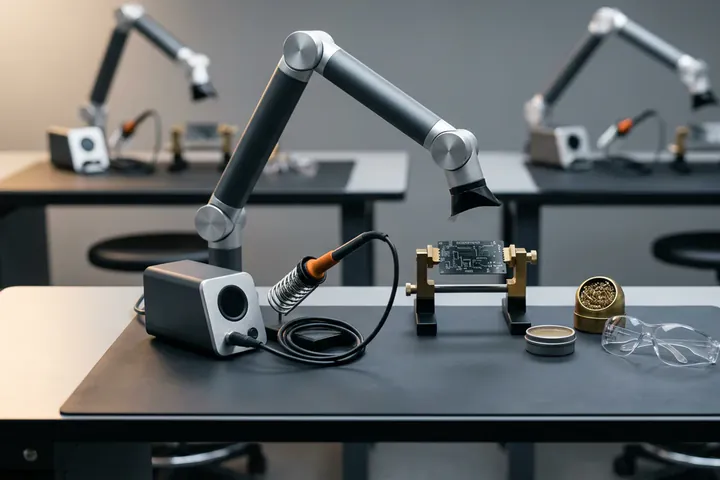 Hands, not slides
Training
Soldering, repair and assembly, taught at a bench.
Soldering
Repair
Assembly
What we would teach
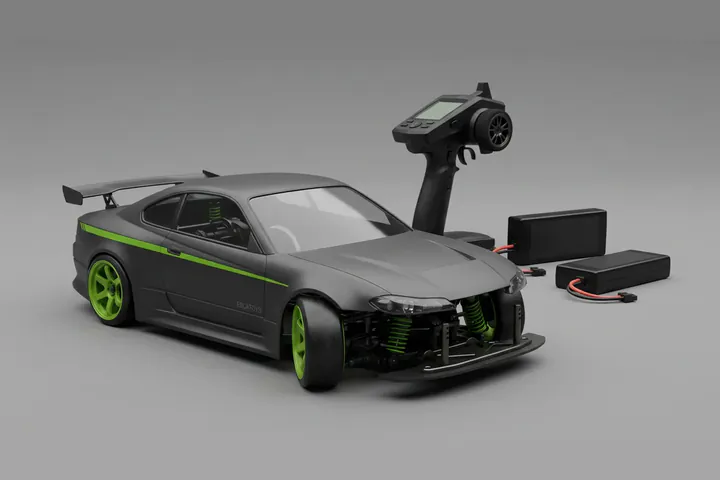 Nobody is buying this for a child
Toys for big kids
The part of the range that goes home with the person who paid for it.
Civil drones
Personal electric machines
Radio-controlled models
Have a look
What we build towards
Three commitments, decided before tooling.
These are intentions, not measurements. When we have numbers to stand behind, they will appear on this page with their source.
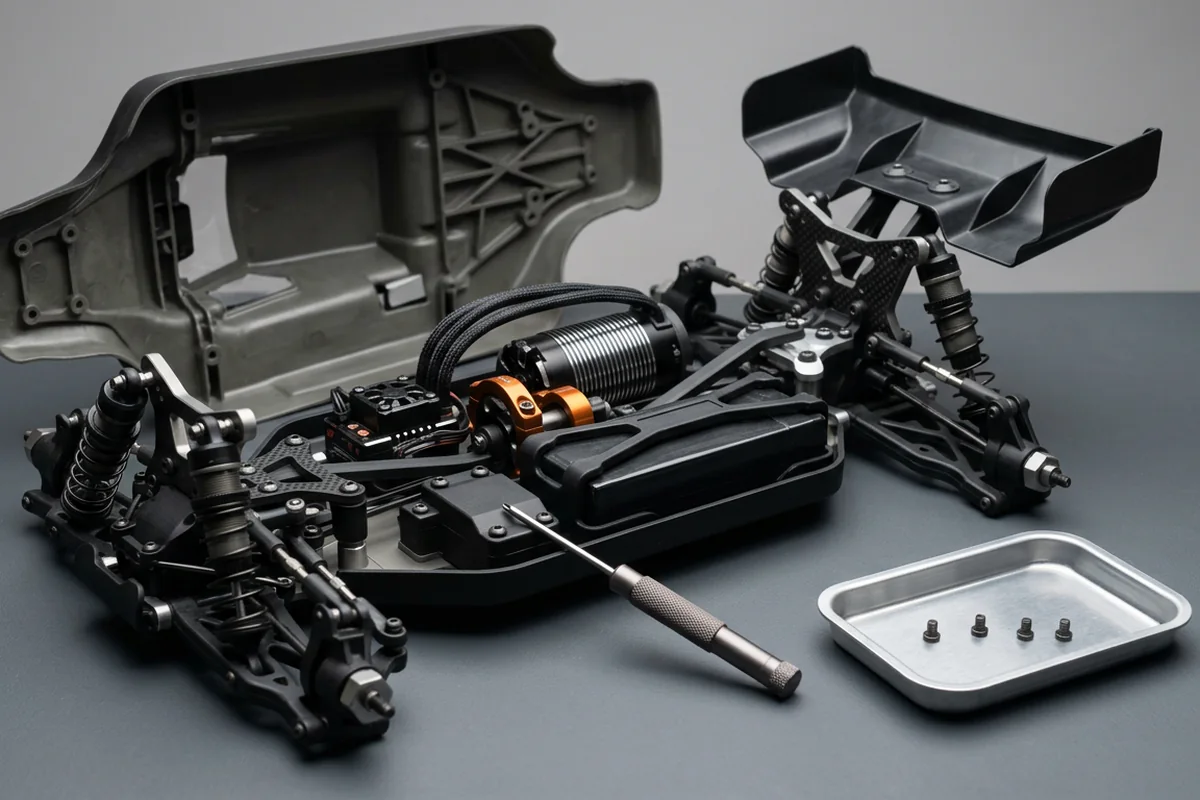
Built to be repaired
The parts that wear are the parts you can replace. A machine that opens, gets fixed and closes again survives its first bad landing — and the second. Nothing is glued shut that could have been screwed together.
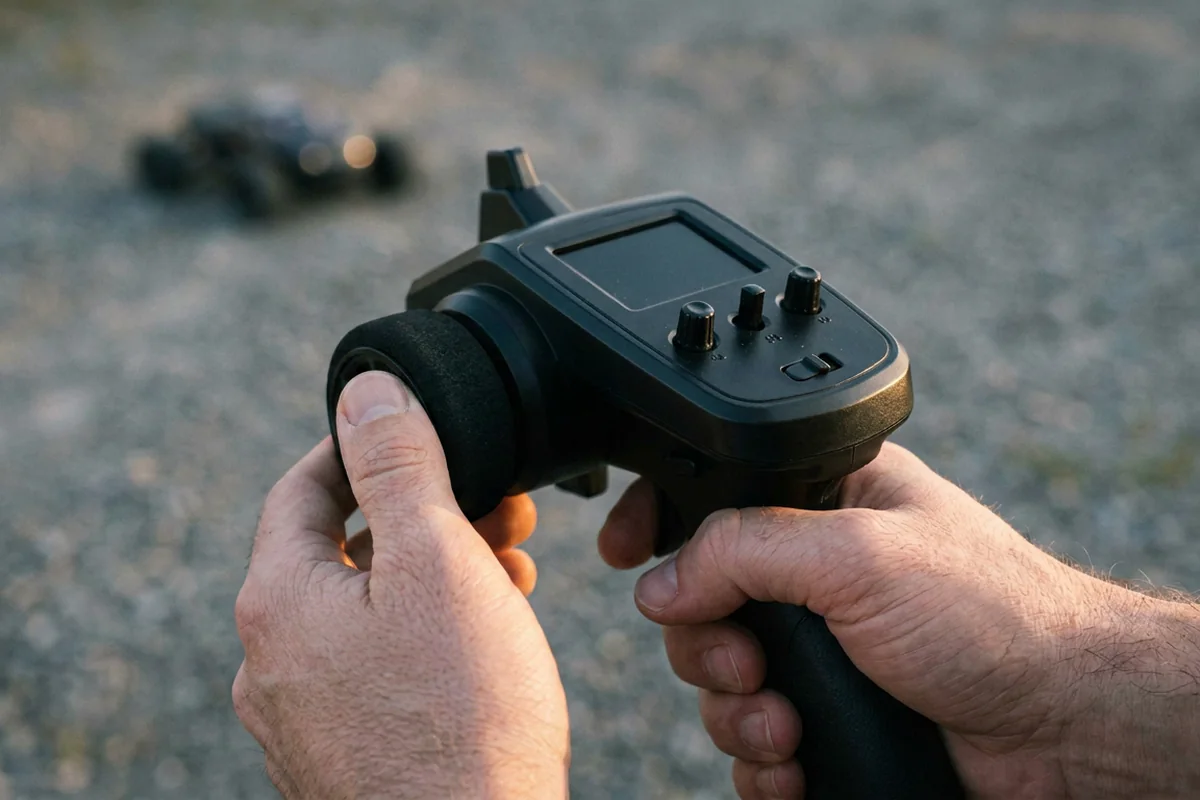
Control that rewards practice
Response is tuned so the first run is manageable and the hundredth is still interesting. We would rather a machine asked something of its owner than flattered them. Skill should have somewhere to go.
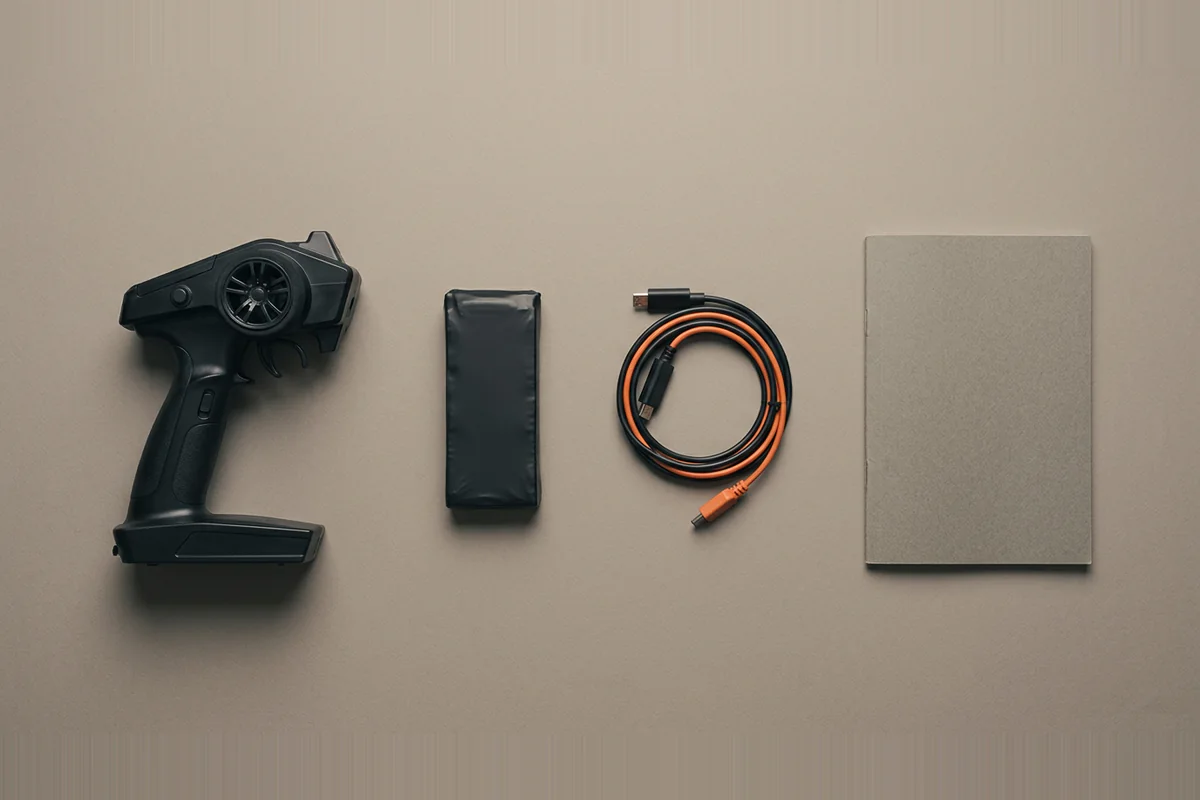
Complete in the box
Transmitter, battery, charger, and documentation that makes sense of them. The aim is a machine that works the afternoon it arrives — without a second order and without a parts list.
What the battery is for
Two chairs, and what each one asks of its battery.
Current is what gets a chair up to pace and through soft ground without slowing down. Capacity is what lets it do the same at the end of the day as at the start. A chair asks for both, with a person in it.
Everyday powerchair
Pace.
A brisk run along a path is current held for minutes at a time. The pack has to deliver it steadily, without sagging halfway through, and still have the rest of the day left in it.
All-terrain powerchair
Ground that pushes back.
Roots, wet leaves, a track that climbs: the chair carries a person up a slope through soft ground at once. That is where current matters most — a battery either holds its pace under load or gives it up.
The same two demands run through the rest of the range: sharp peaks on the radio-controlled models and the civil drones, long steady load on the personal electric machines. The buggy in the film is legally a toy; the chairs are, in the EU, medical devices, and their page names the rules they answer to.
Hands, not slides
Whoever ends up fixing it can be you.
Soldering, repair and assembly, taught at a bench.
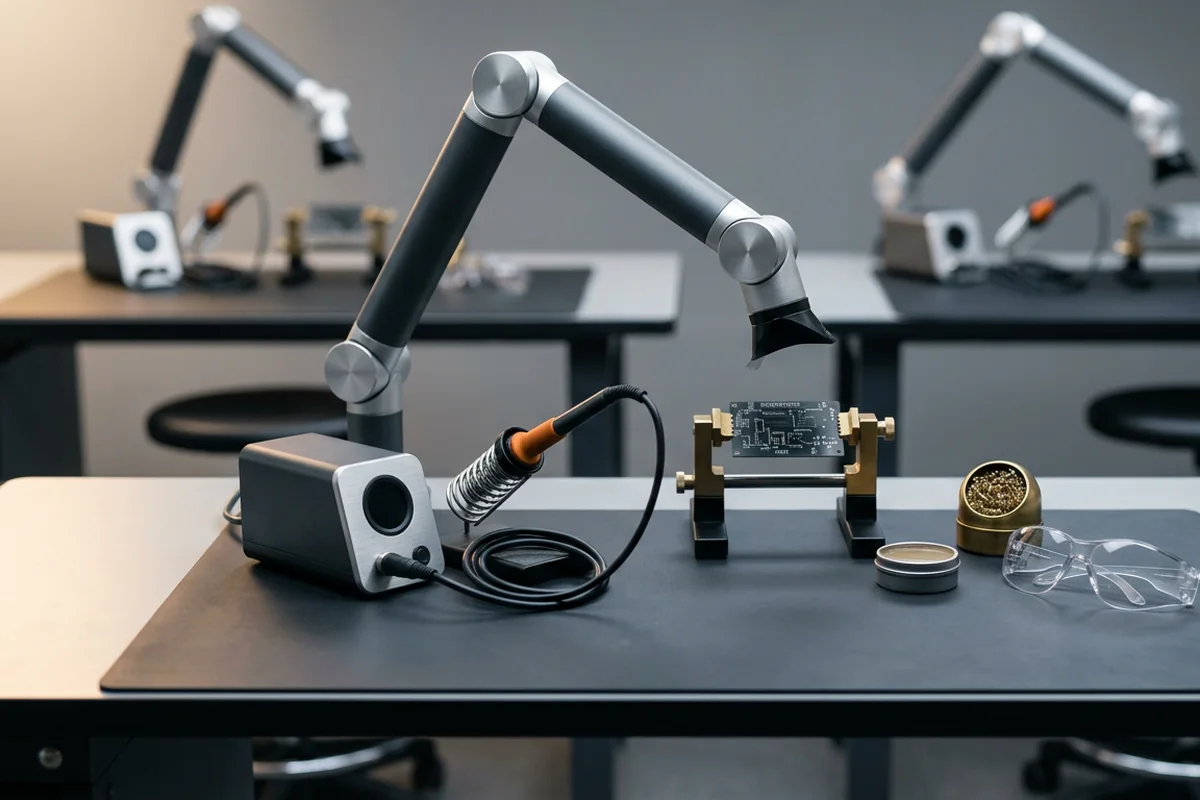
Soldering
You leave able to make a joint that survives a crash.
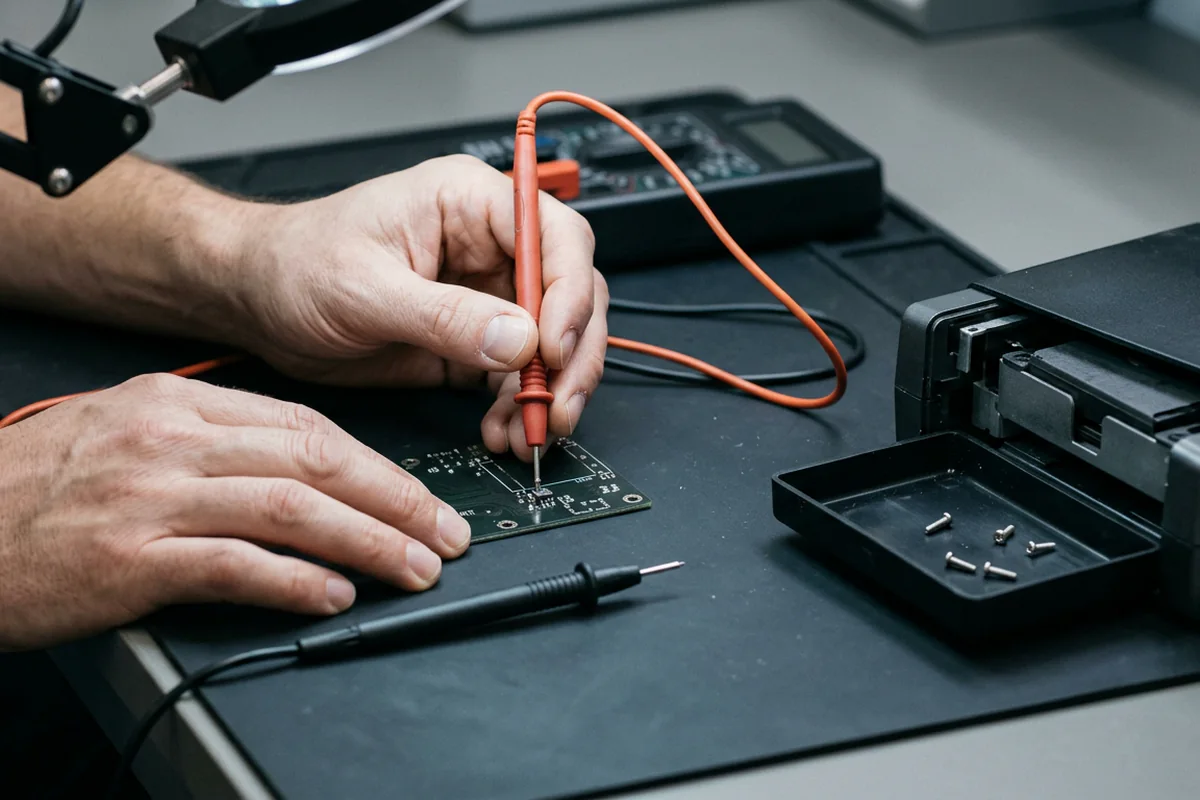
Repair
You leave able to say what is wrong, and whether it is worth it.
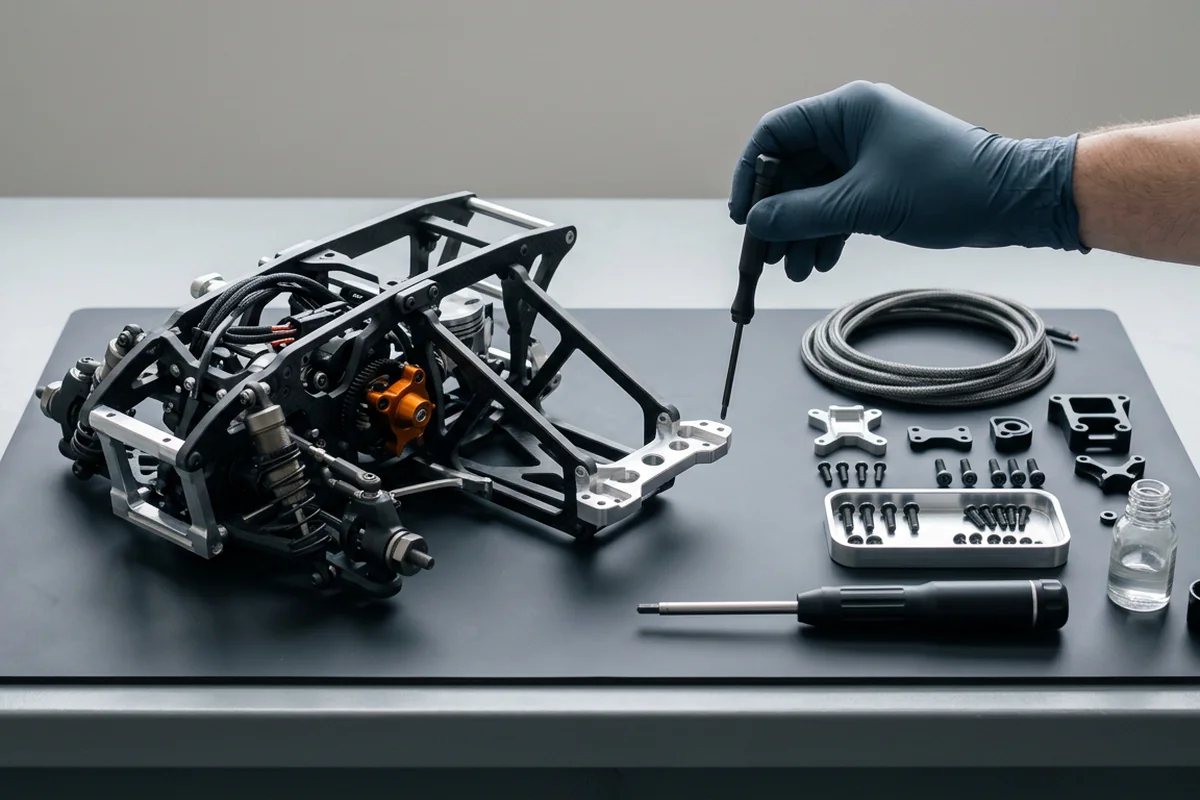
Assembly
You leave able to build one and trust it in the air.
Nobody is buying this for a child
Toys for big kids
Some of what we make is genuinely for a fourteen-year-old. The rest is bought by adults, for adults, with a story about it being for the family that nobody in the room believes.
The category exists because pretending otherwise was getting embarrassing.
Safety
Stated plainly.
What governs what
- RC models
- Toy Safety Directive 2009/48/EC · EN 71
- Ages 14+
- Drones
- Regulation (EU) 2019/945 and 2019/947
- Set nationally
- Electric rides
- EN 15194 or Regulation (EU) 168/2013, depending on the machine
- Set nationally
- Powerchairs
- Medical Device Regulation (EU) 2017/745
- No age applies
Where we stand today
The radio-controlled models are being developed towards CE marking and EN 71 safety testing. The rest of the range answers to other rules entirely, and each category page sets out its own. We publish documentation when it exists, and not before.
That is why you will find no seals, no badges and no test results on this page. We do not hold them yet, and a mark you cannot verify is worth less than an honest sentence.
Questions
Answered without a form.
When will these be available?
The range is in development. Register your interest below and we will write to you when one of them is ready to order — not sooner, and not on a schedule.
What age are these for?
The radio-controlled models are guided at fourteen and up, and that guidance is ours. Nothing else in the range carries an age from us: for a drone, a personal electric machine or a powerchair the minimum age is set by the country you are in, and each category page says so.
Are they safe?
The radio-controlled models are being designed to the EN 71 toy safety standards and towards CE marking. EN 71 is the toy standard and it does not reach the rest of the range — a drone, a personal electric machine and a powerchair each answer to a different set of rules, named on their own page. Until that documentation exists we make no safety claim beyond the age guidance on this page.
What comes in the box?
Contents are being finalised per model. Ask below and we will tell you what is confirmed at the time you write.
How do I get more information?
Use the form below. It is read by a person, and answered by one.
Contact
Ask us something.
Tell us what you are after and where you are. A person reads it and a person answers it.
- Answered by a person, not an autoresponder.
- Your details stay in the EU and are used for this reply only.
- No newsletter, no tracking, no third parties.
Or write to support@esca.toys.